The Royal Naval Barracks in Chatham, known as HMS Pembroke, were built between 1897 and 1902. They stood between the Victorian Steam Yard and Brompton Barracks, on the site of a former prison built in 1853 to house over a thousand convicts brought in to help construct the Dockyard extension.
Before permanent accommodation was introduced, Royal Navy personnel were often housed in decommissioned ships known as hulks. The shift to long-term service in the mid-nineteenth century led to purpose-built barracks being established at key naval dockyards. HMS Pembroke was one of three such facilities, alongside Devonport and Portsmouth, and was designed to provide housing, recreation, and training for men awaiting assignment to ships.
The barracks were designed by architect Henry Pilkington and quickly became a central part of Chatham’s naval presence. By the time of the First World War, Chatham was one of the Royal Navy’s three manning ports. In September 1917, the barracks were struck during a bombing raid. The Drill Hall, which was being used for overflow accommodation, took a direct hit, killing over 130 men.
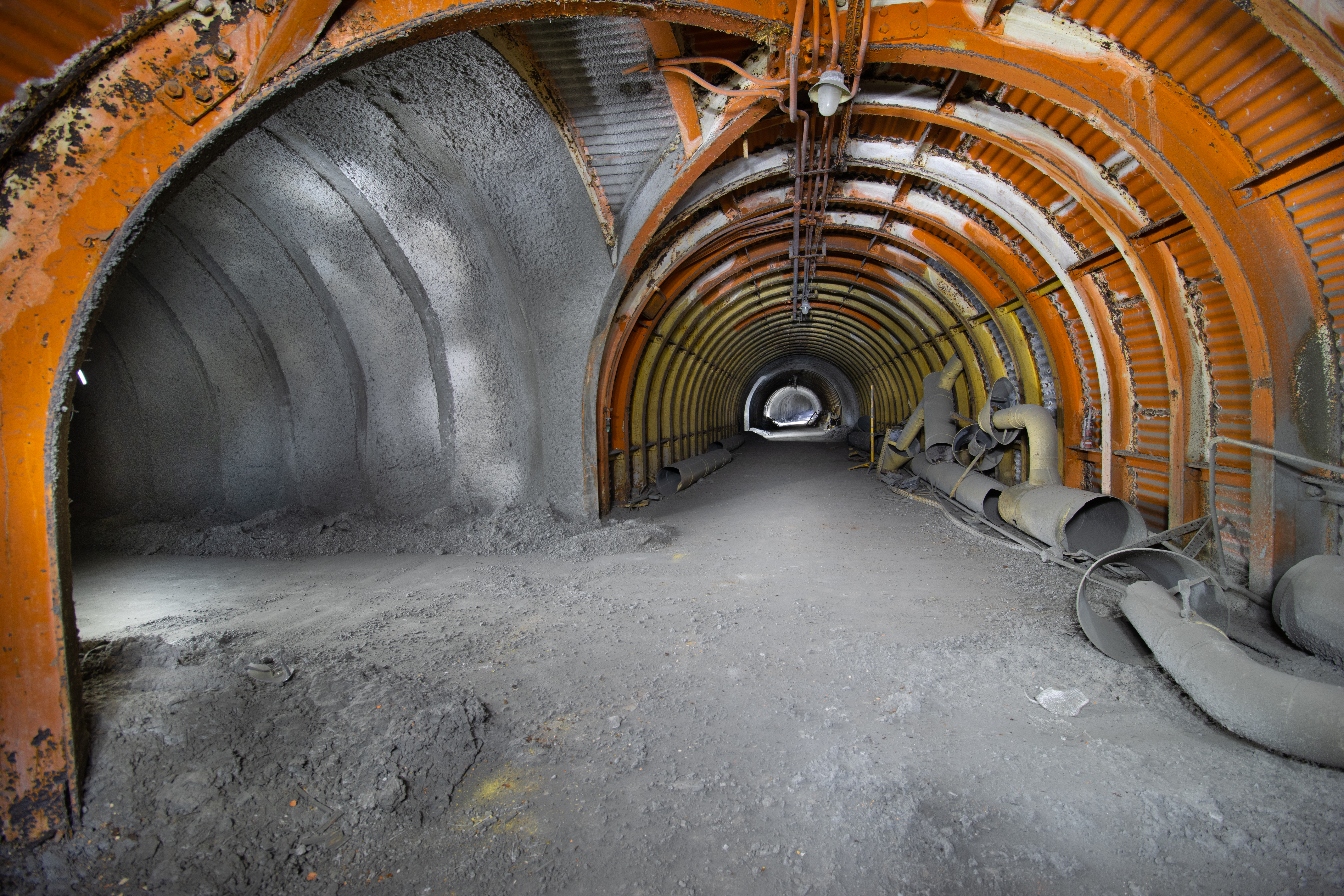
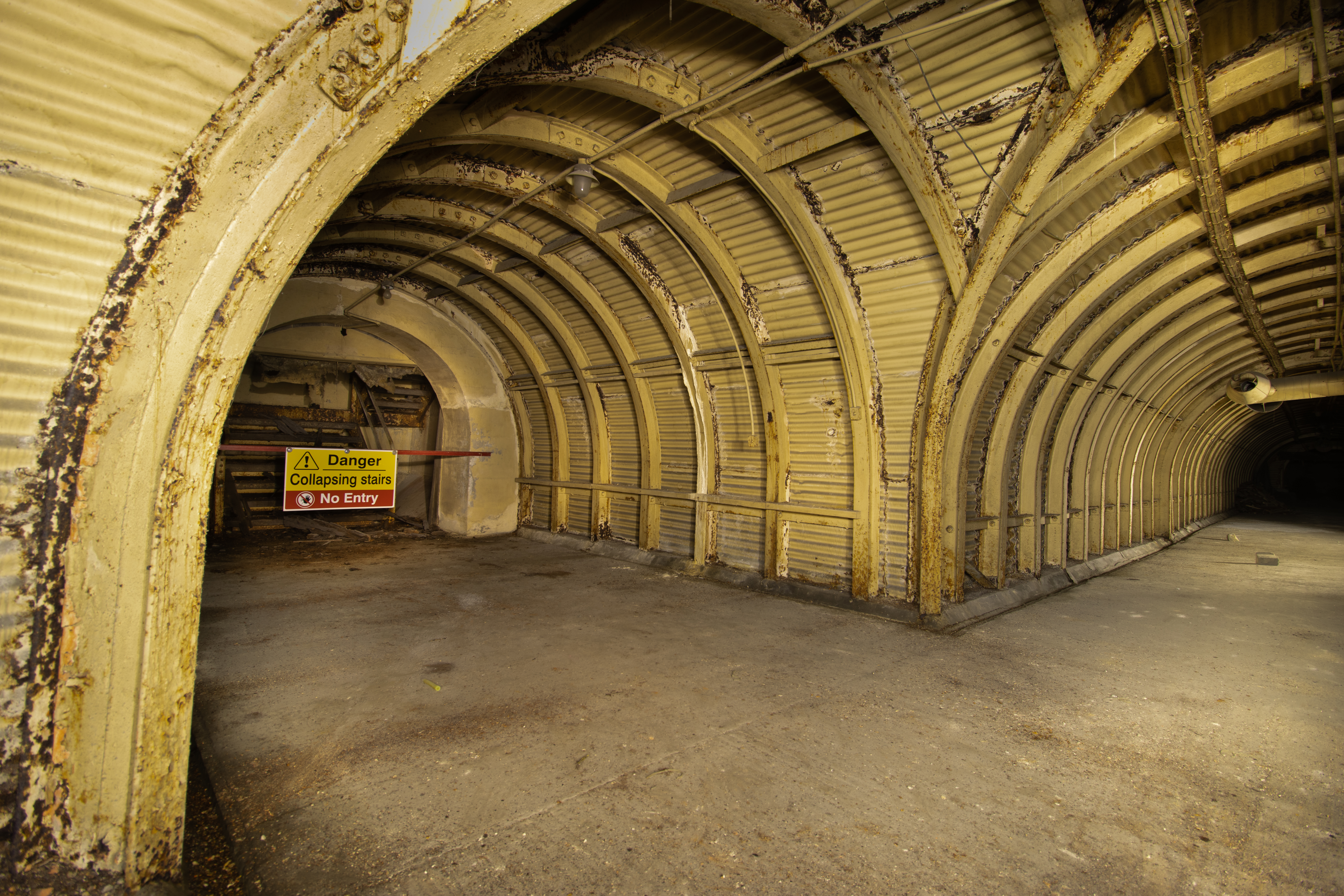
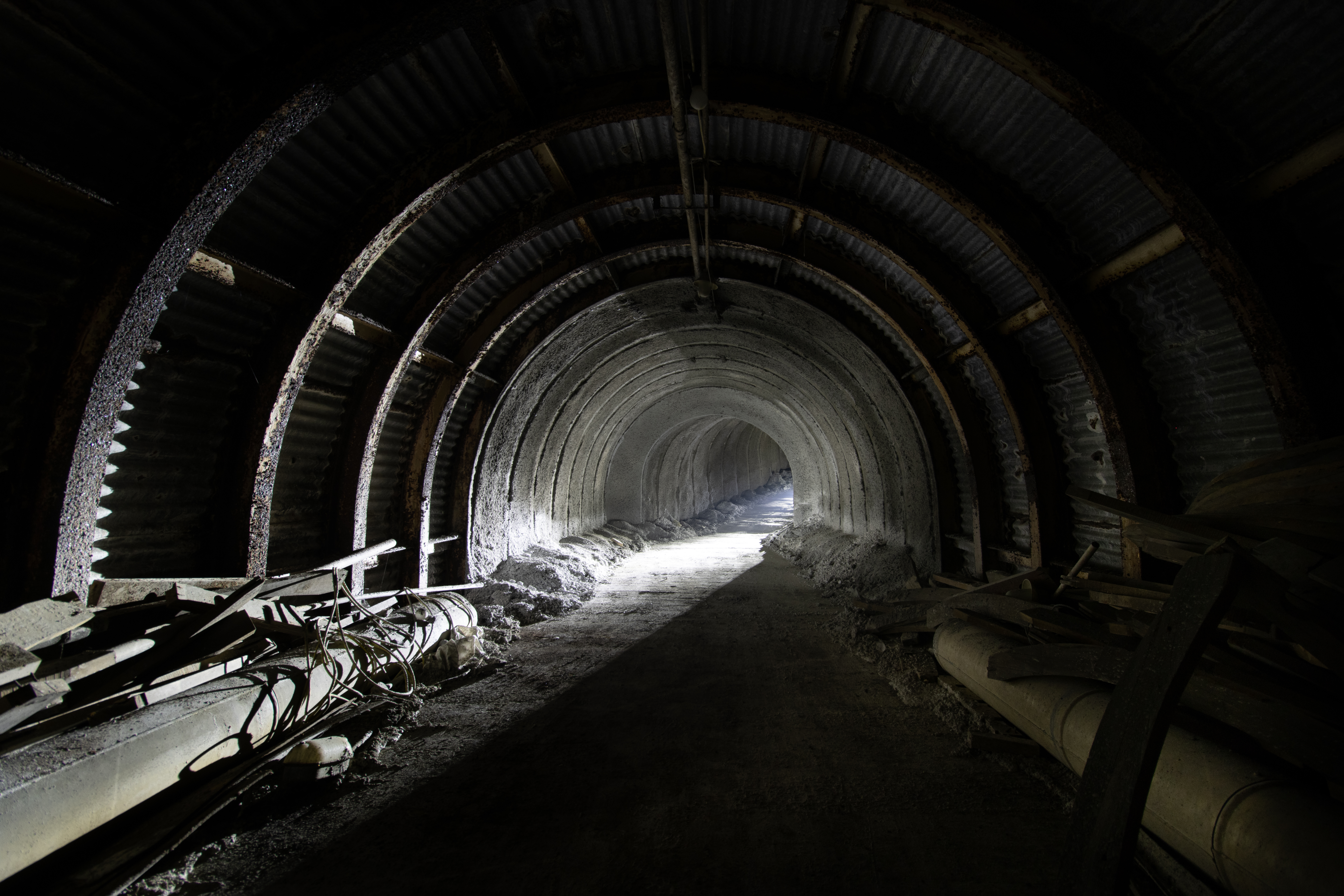
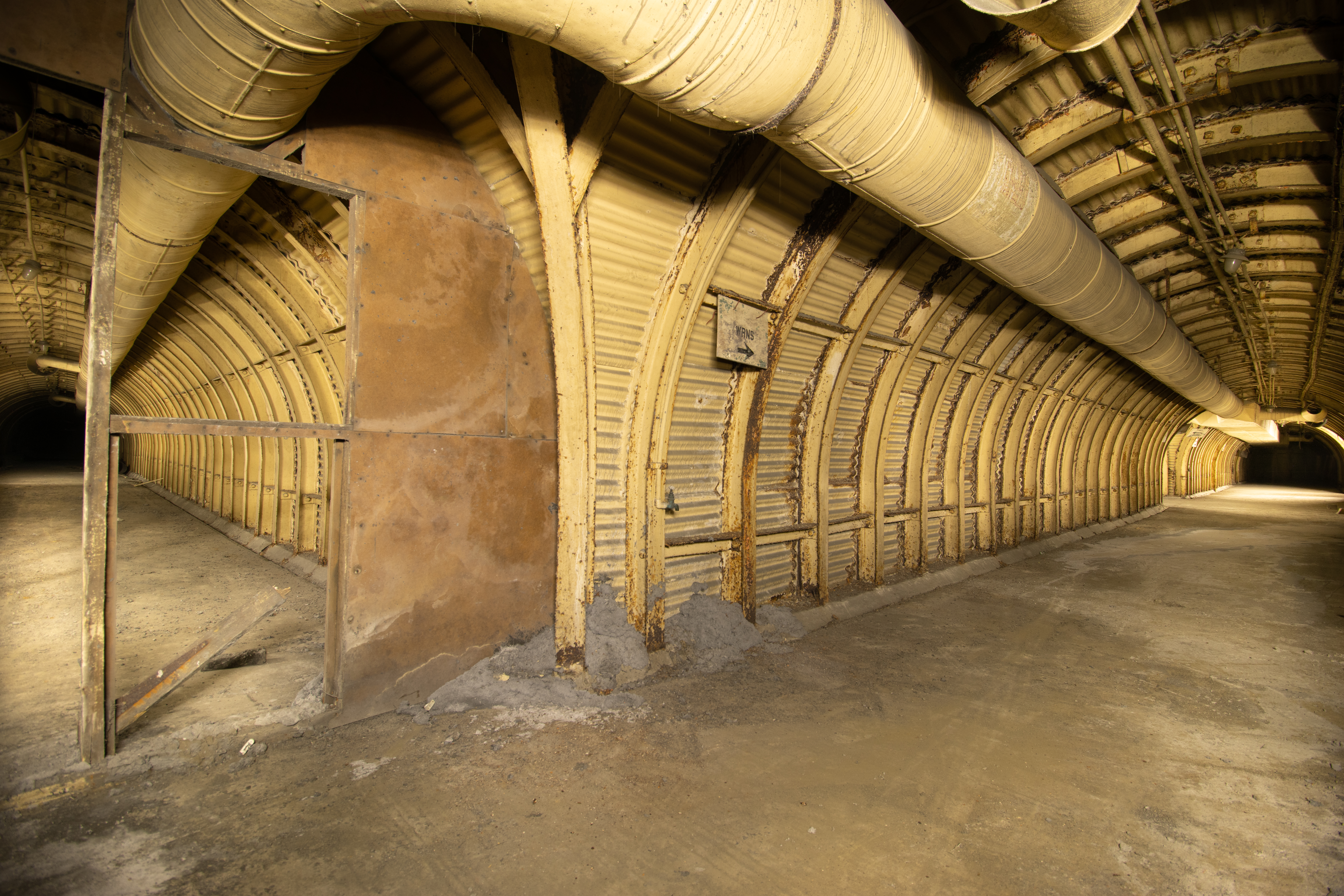
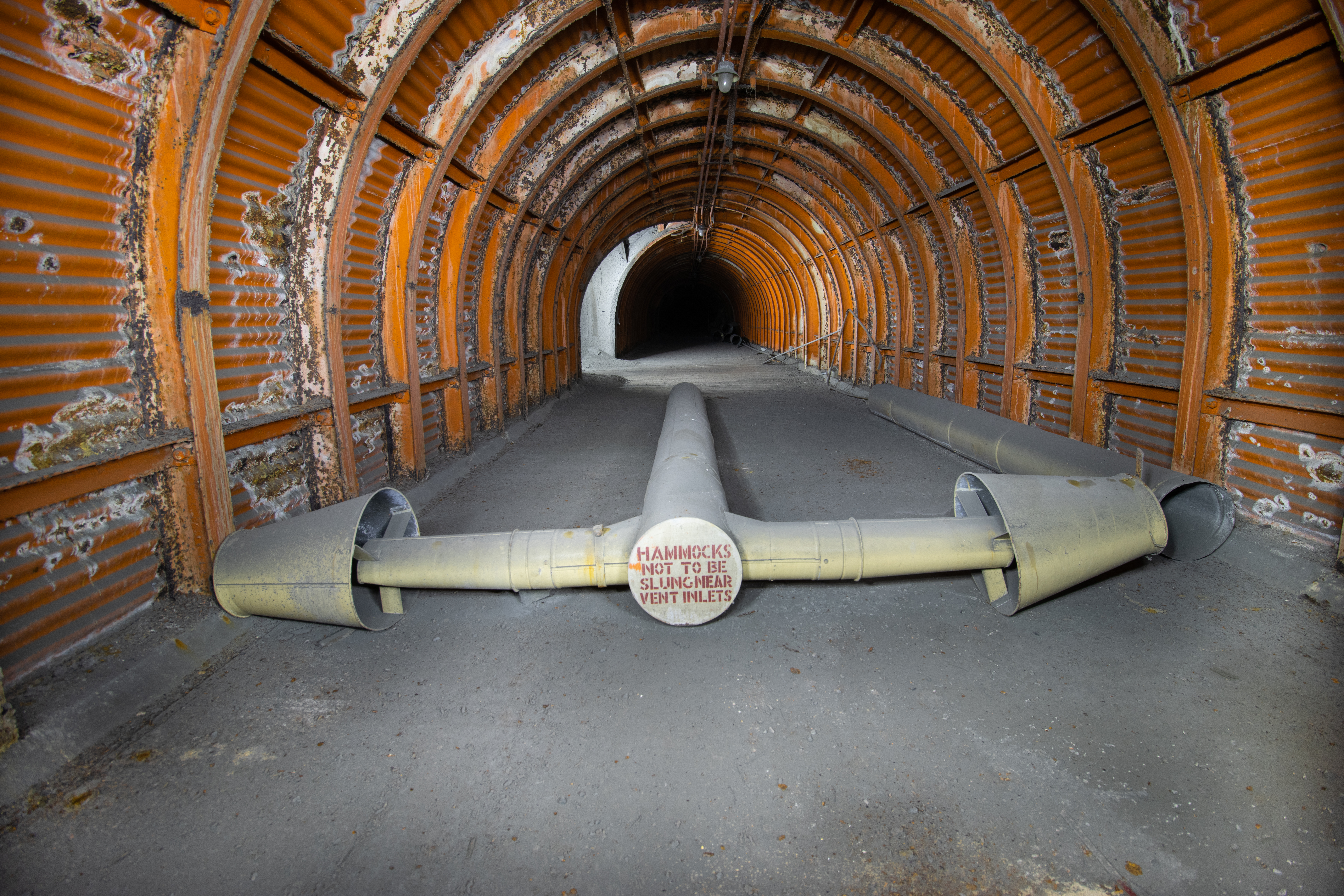
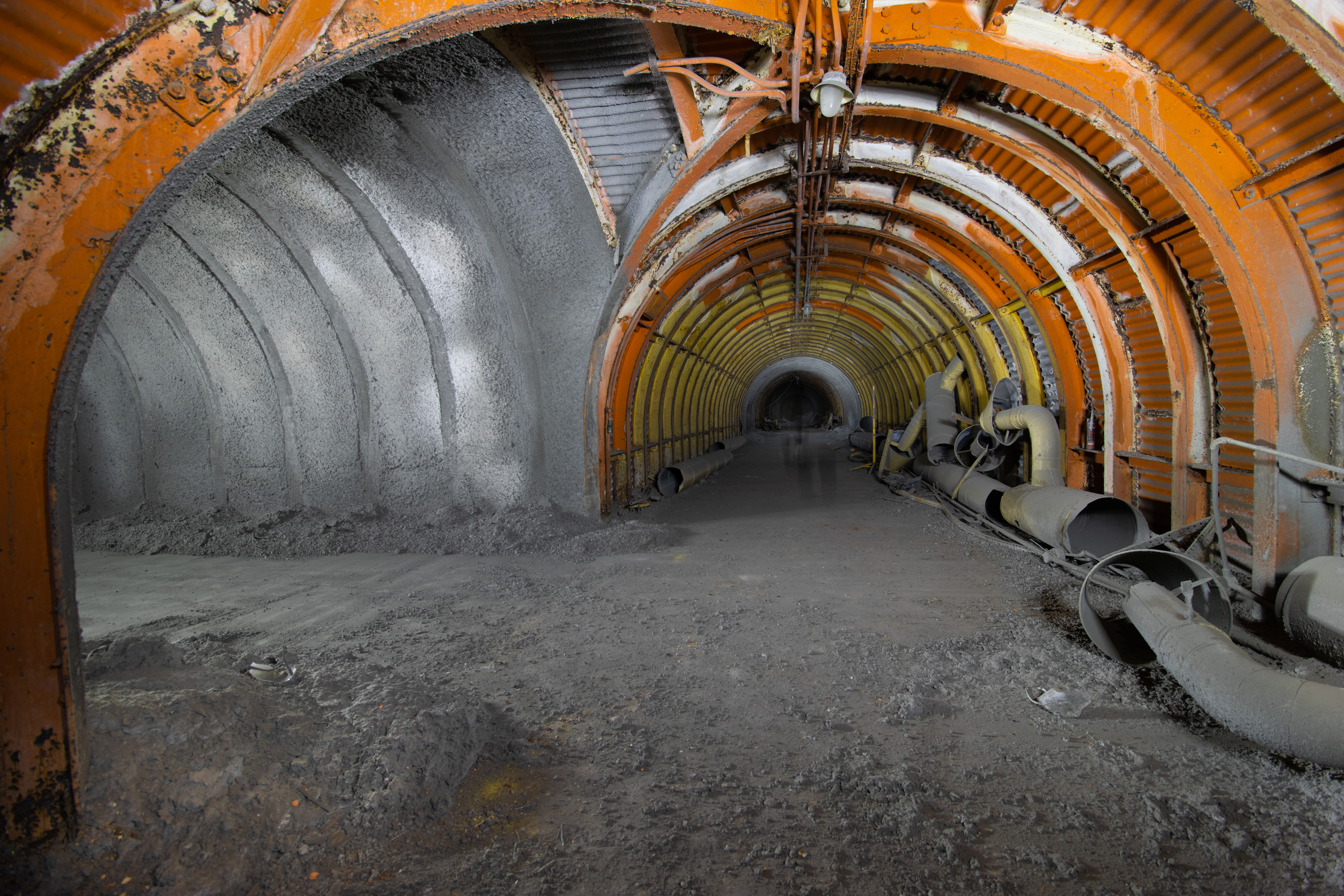
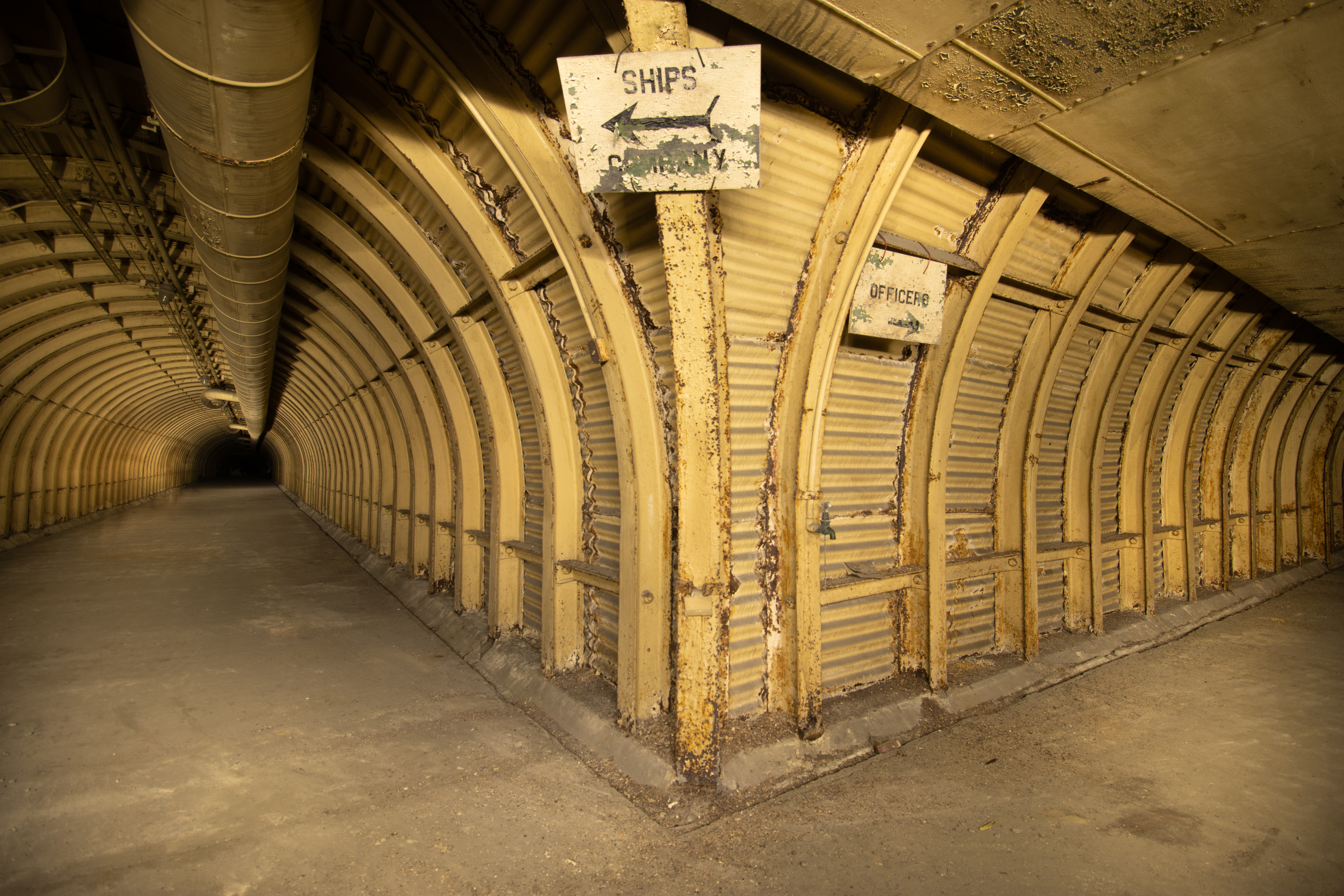
Following this tragedy, it is believed that some of the underground tunnels in the area, possibly built as part of earlier military or prison infrastructure, were adapted or used informally as bomb shelters. There is limited evidence to confirm the full extent or purpose of these tunnels, but local accounts and surviving features suggest they were used to provide protection in the years that followed.
The barracks continued in use during and after the Second World War, later becoming the Royal Naval Supply School. As naval operations at Chatham were gradually reduced, the site was eventually decommissioned in 1984. The gates to HMS Pembroke were closed for the final time on 31 March of that year.