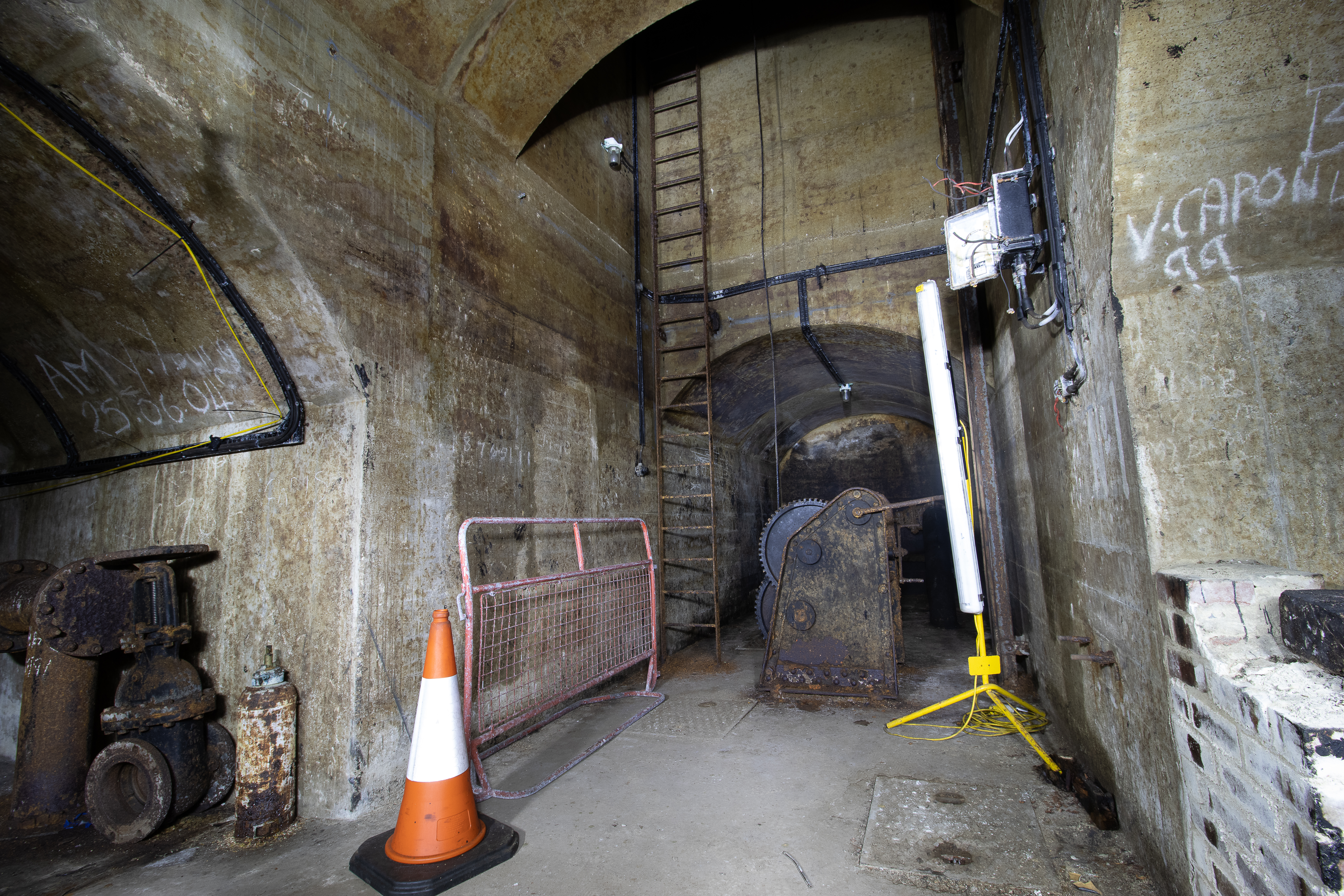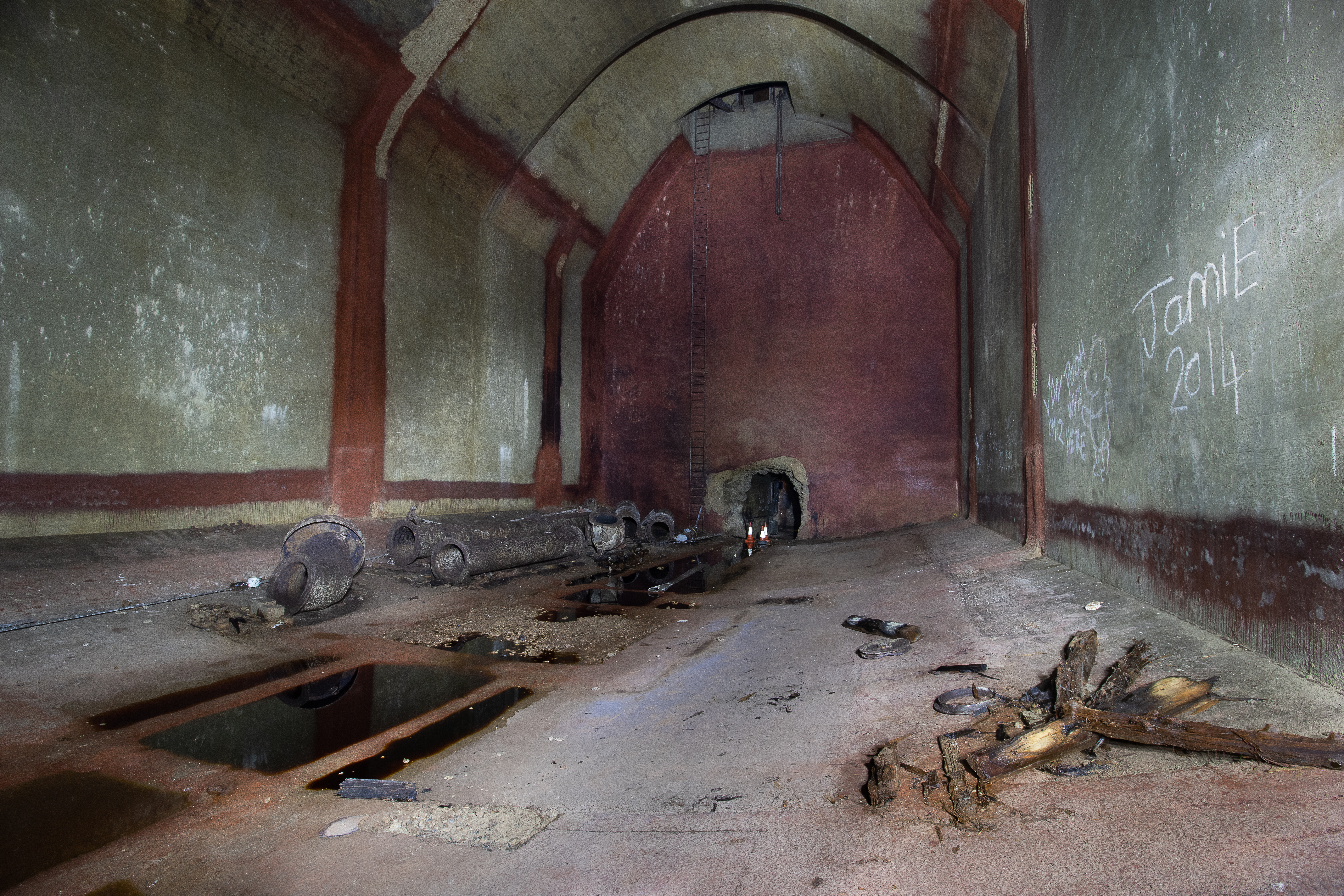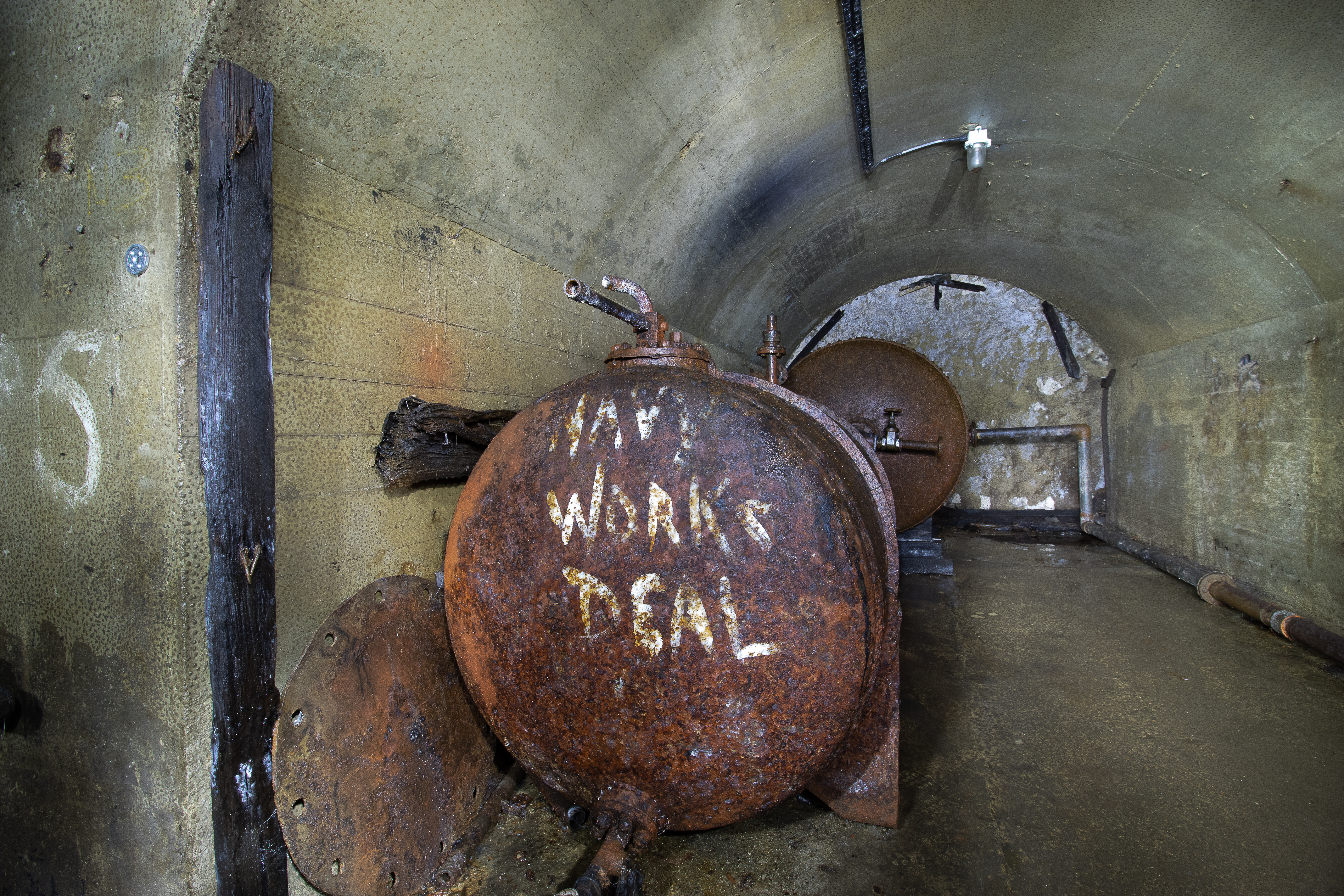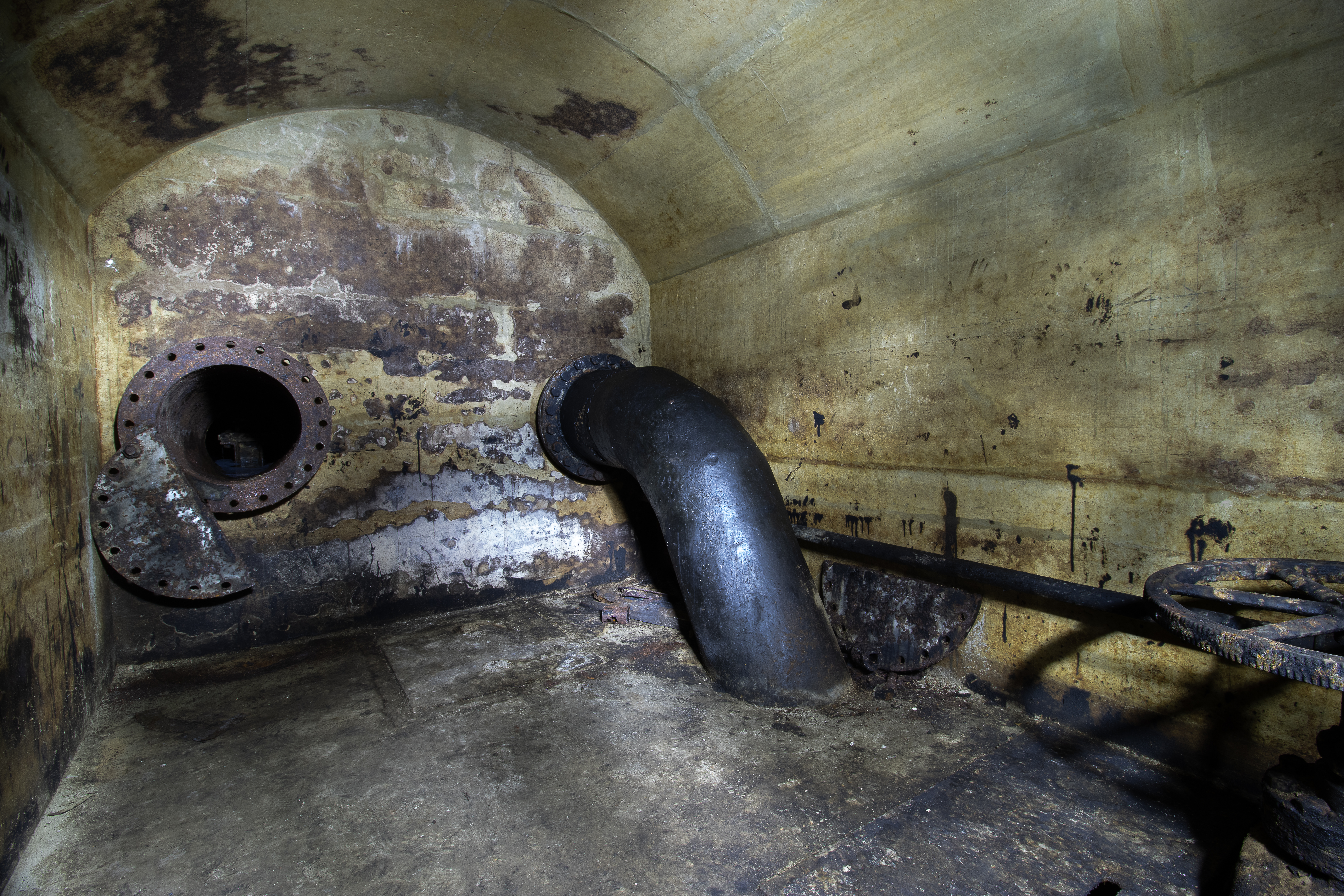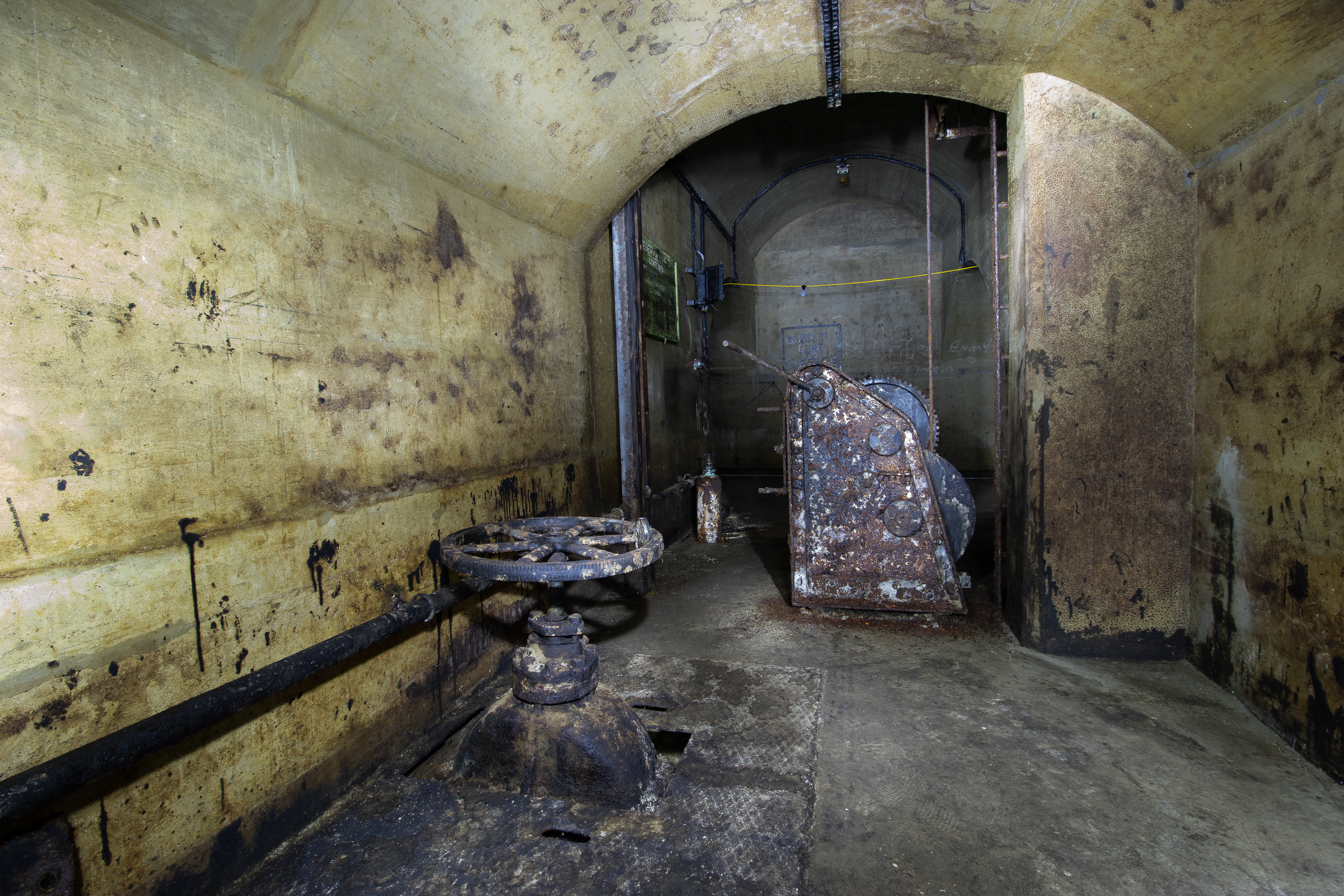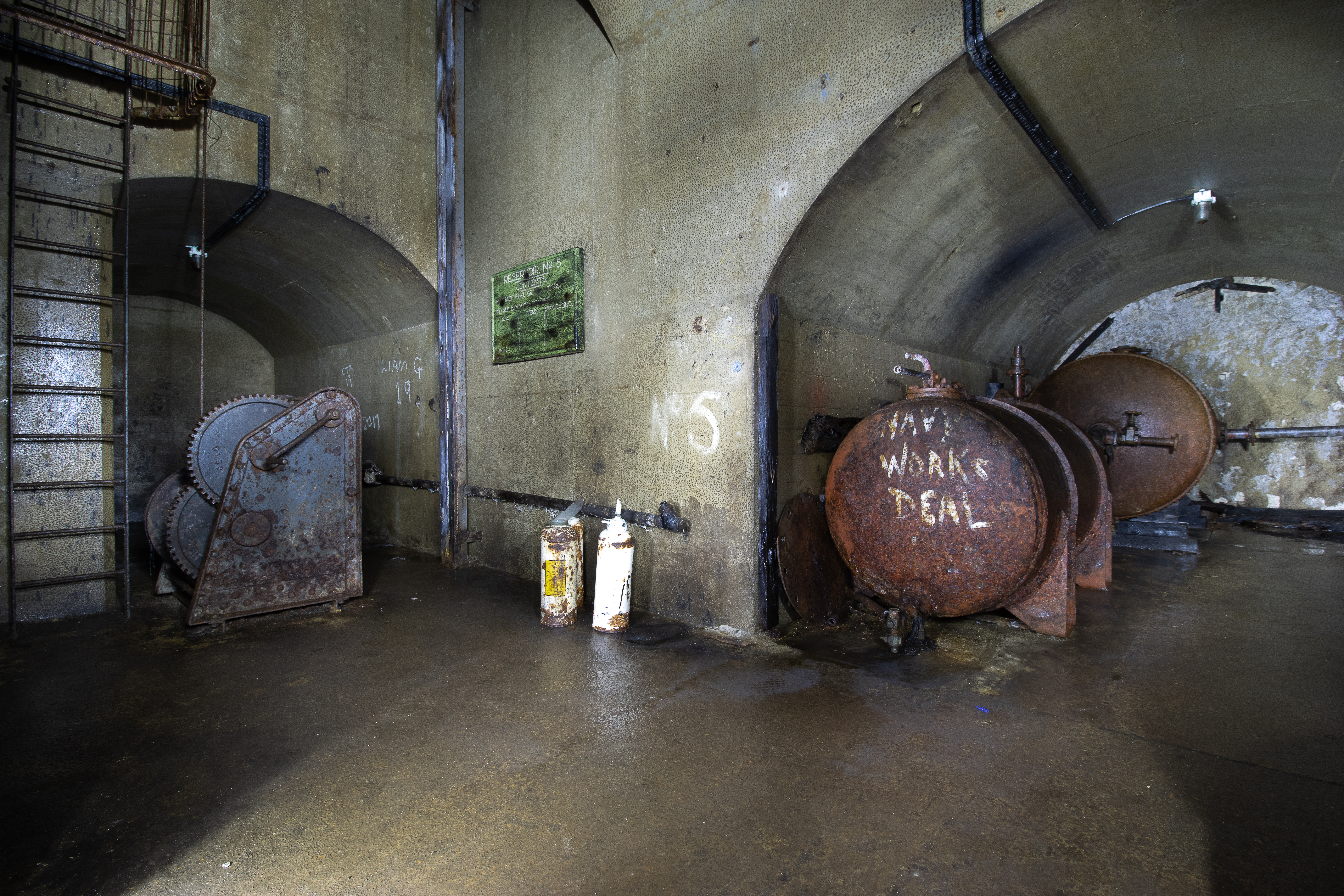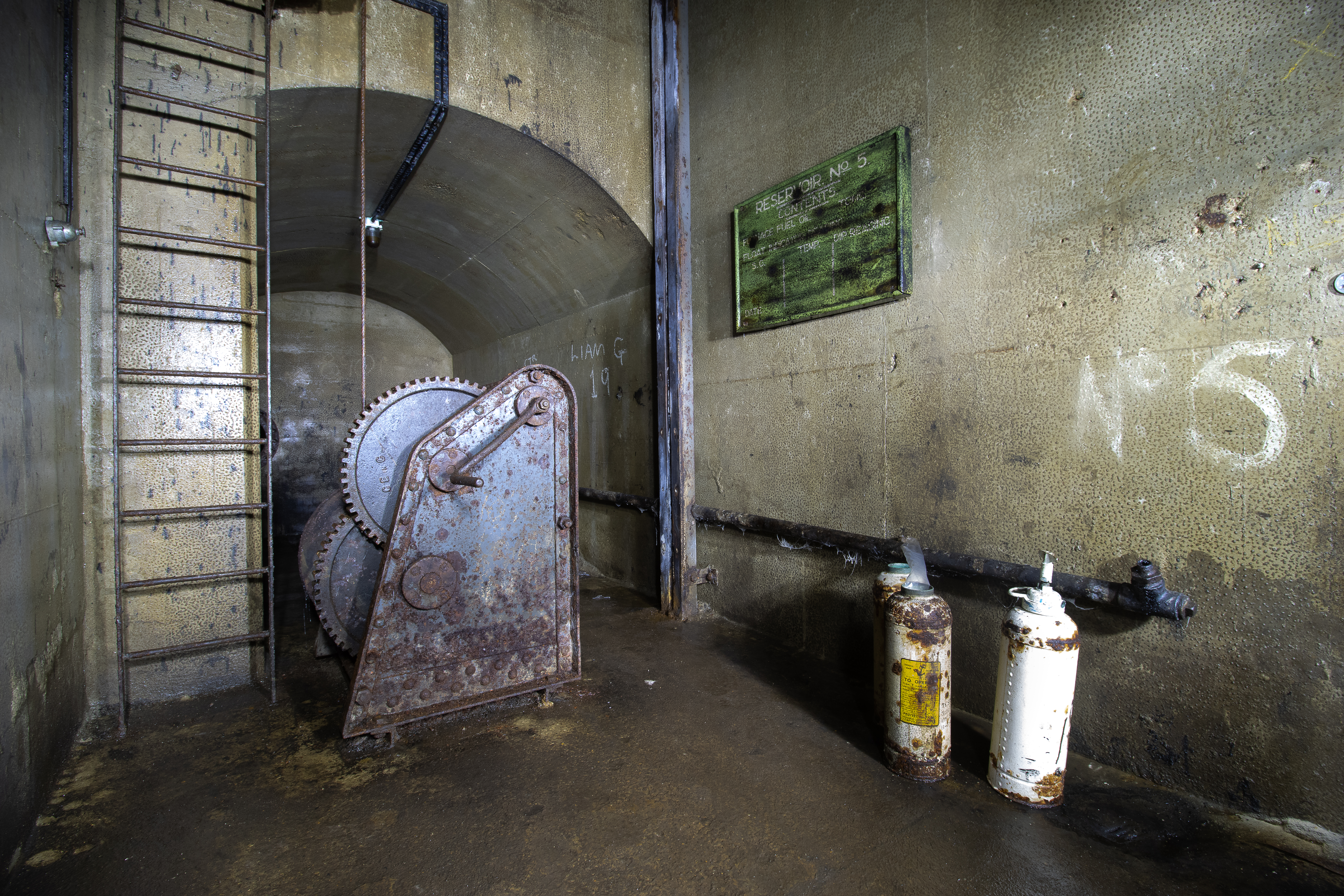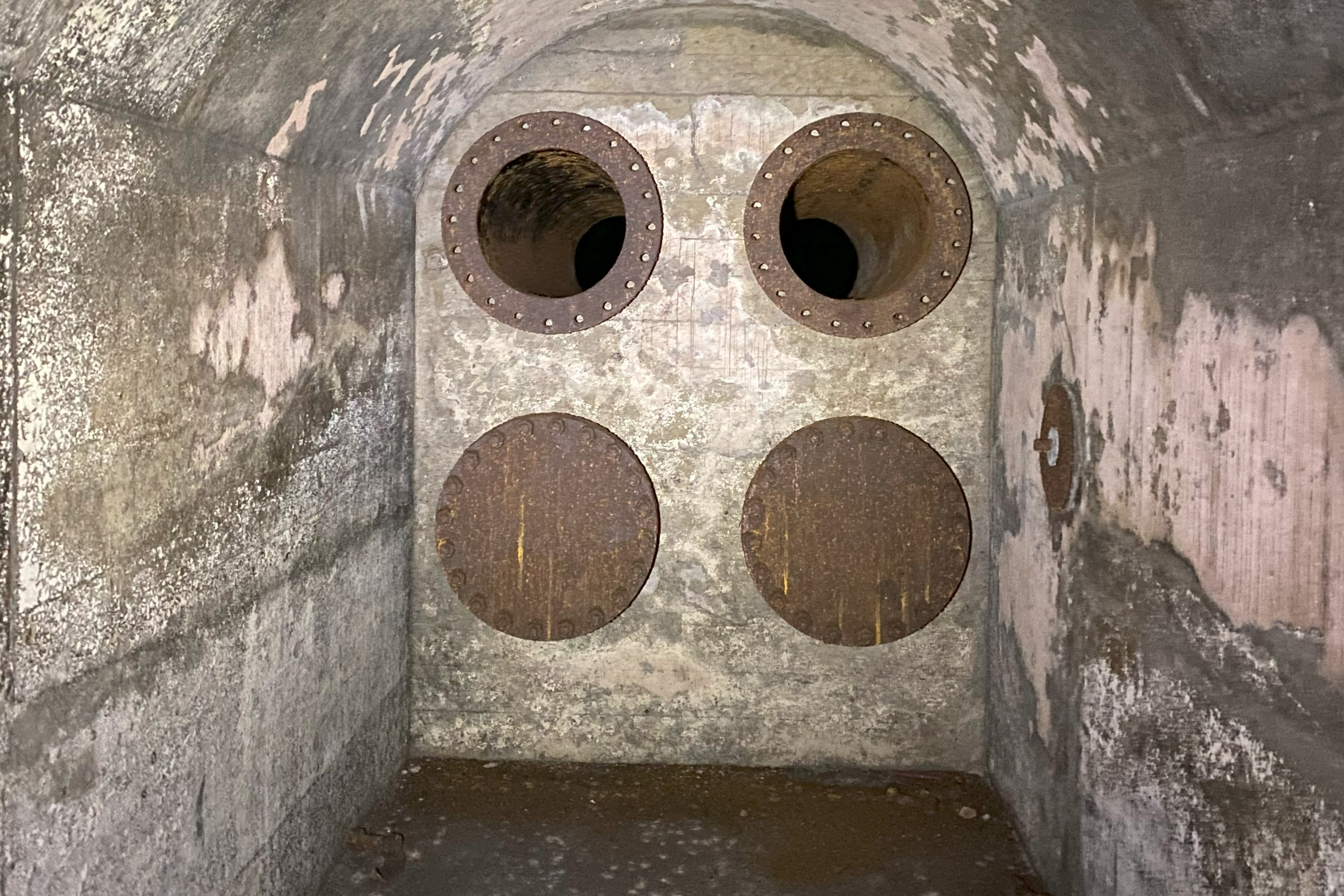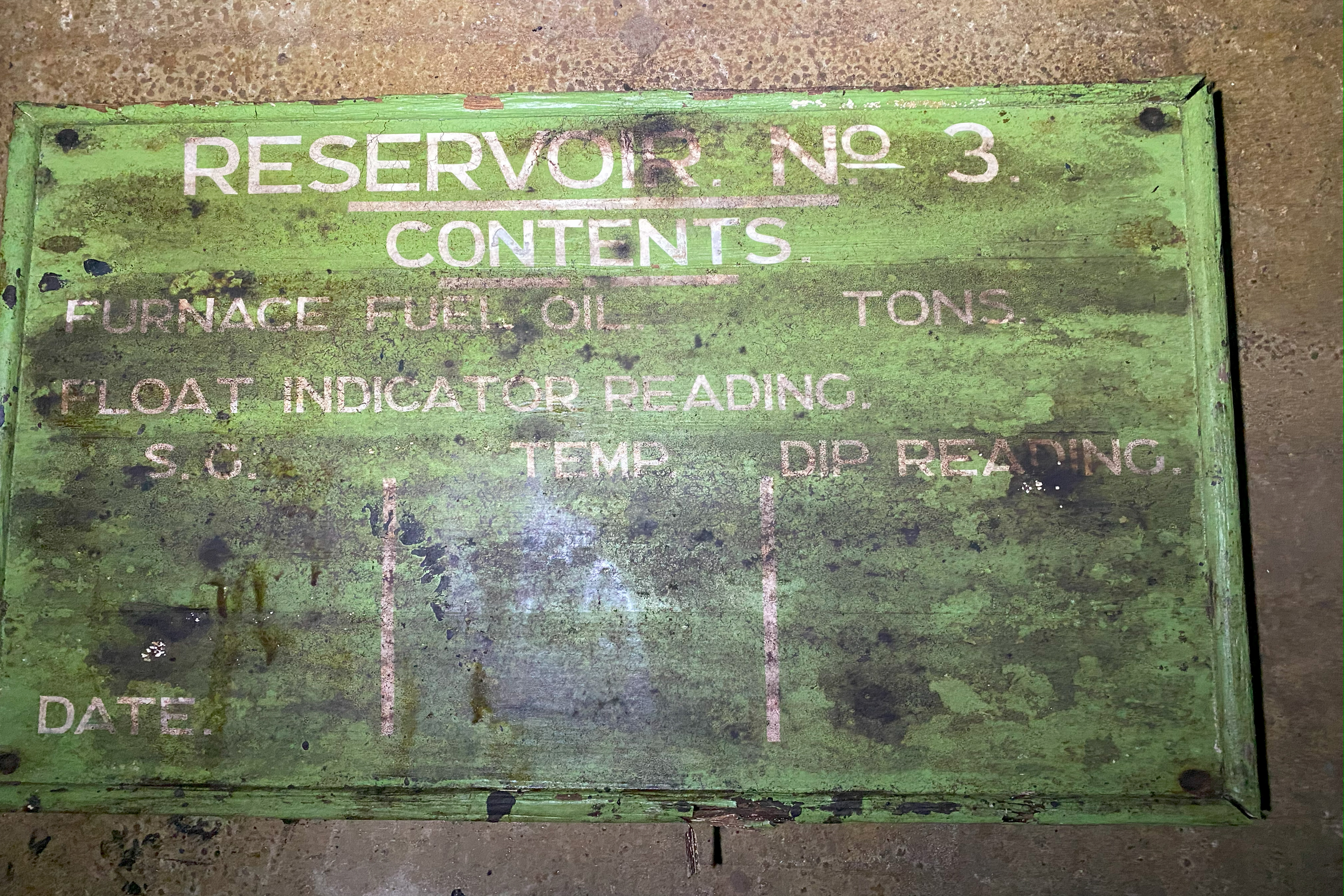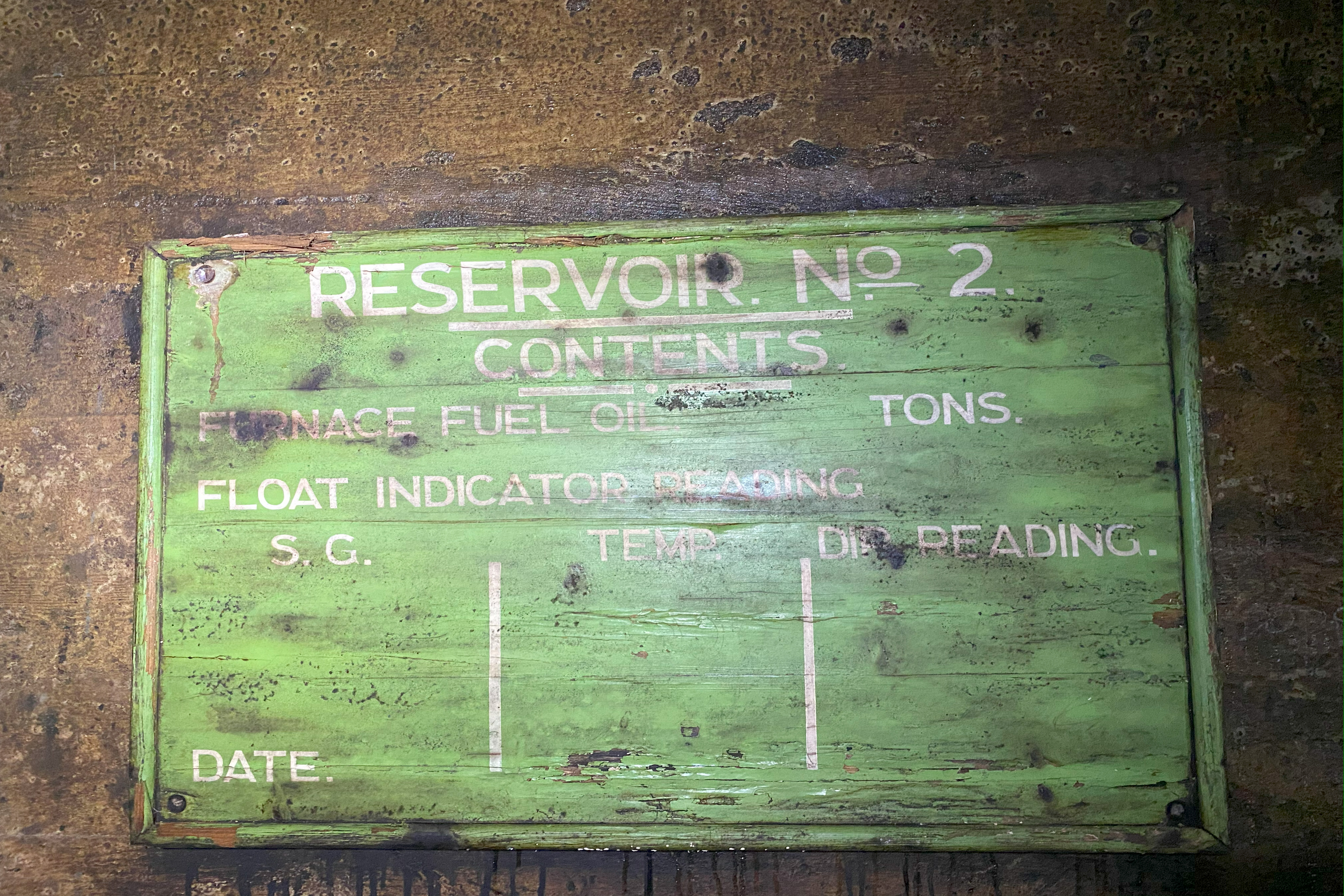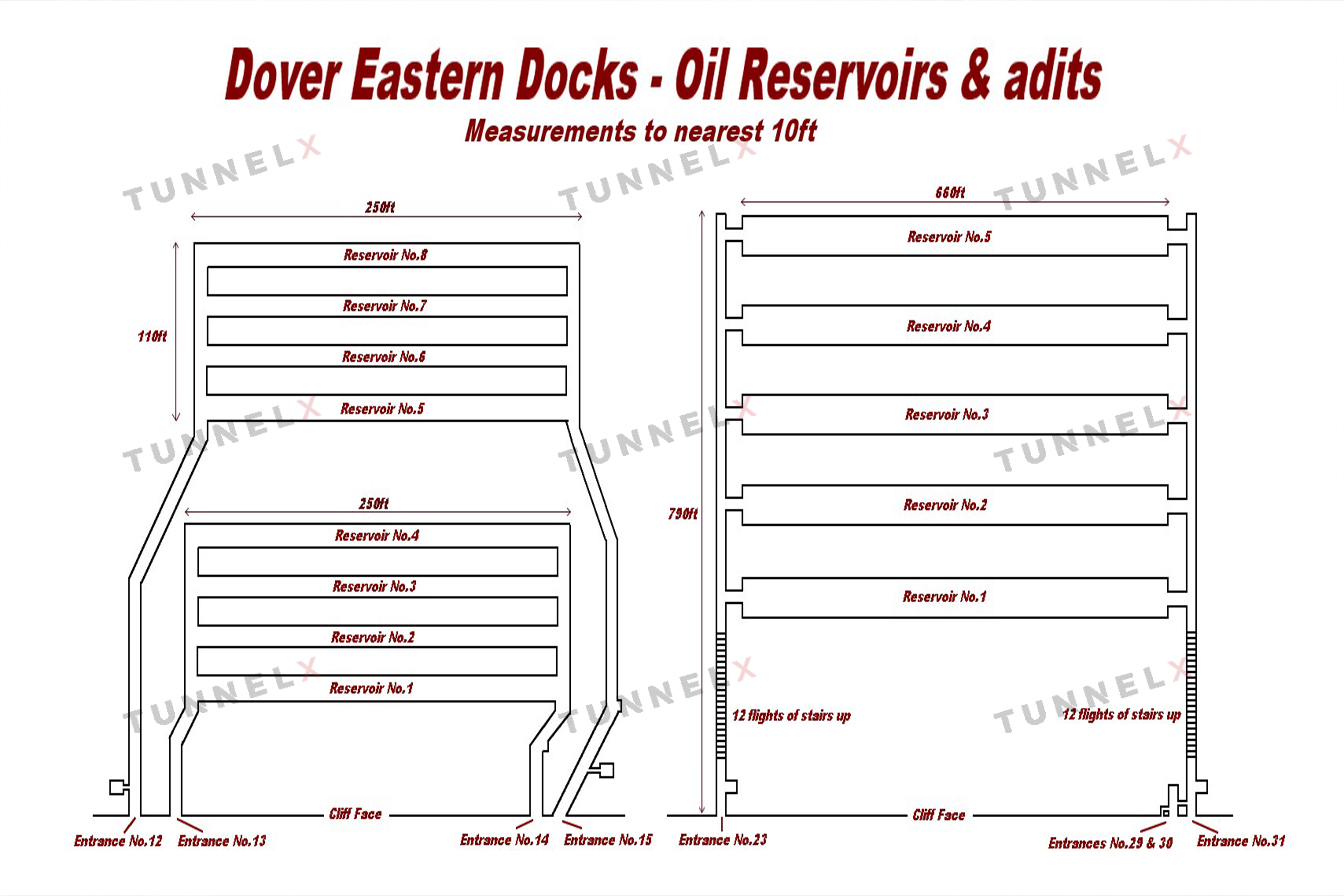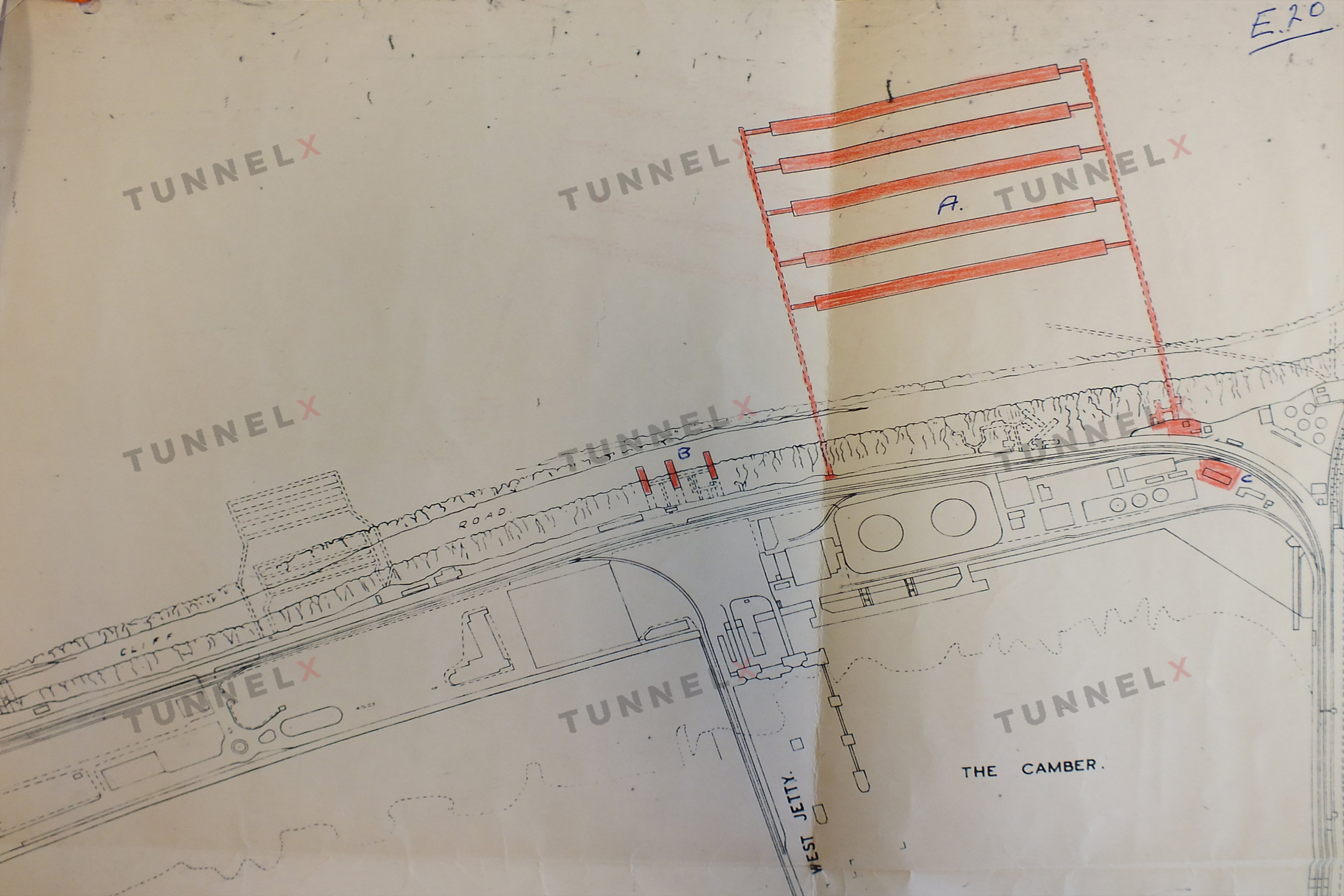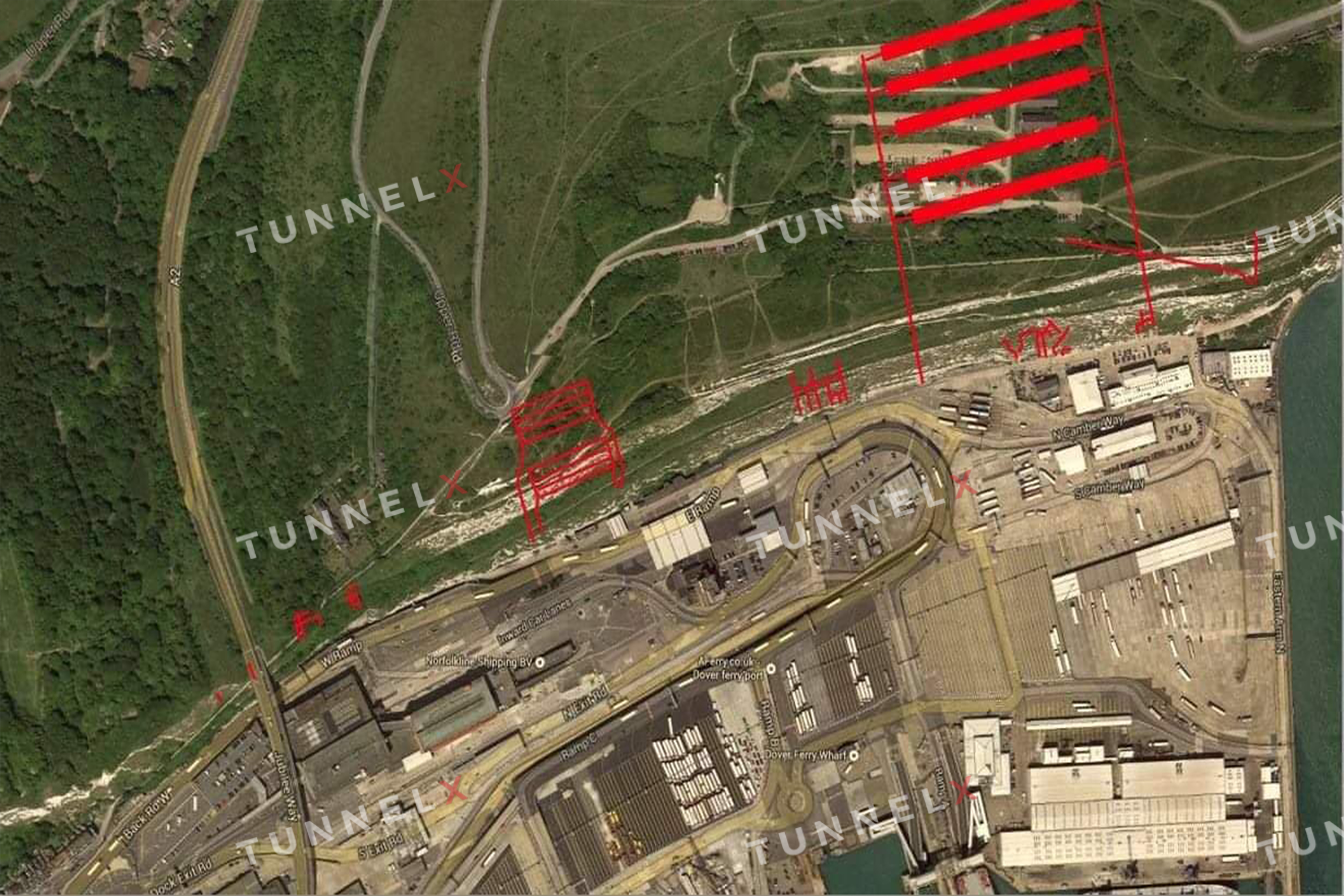
Fuel depots have long been prime targets in times of conflict, and with the looming threat of war in the 1930s, the Royal Navy’s Admiralty was acutely aware of the vulnerability of exposed fuel supplies to air strikes. As tensions with Germany rose, Dover, one of several strategic ports for fuel storage, became a focal point for increased security. To safeguard against aerial threats, five massive fuel tanks were constructed within the cliffs behind Dover Docks.
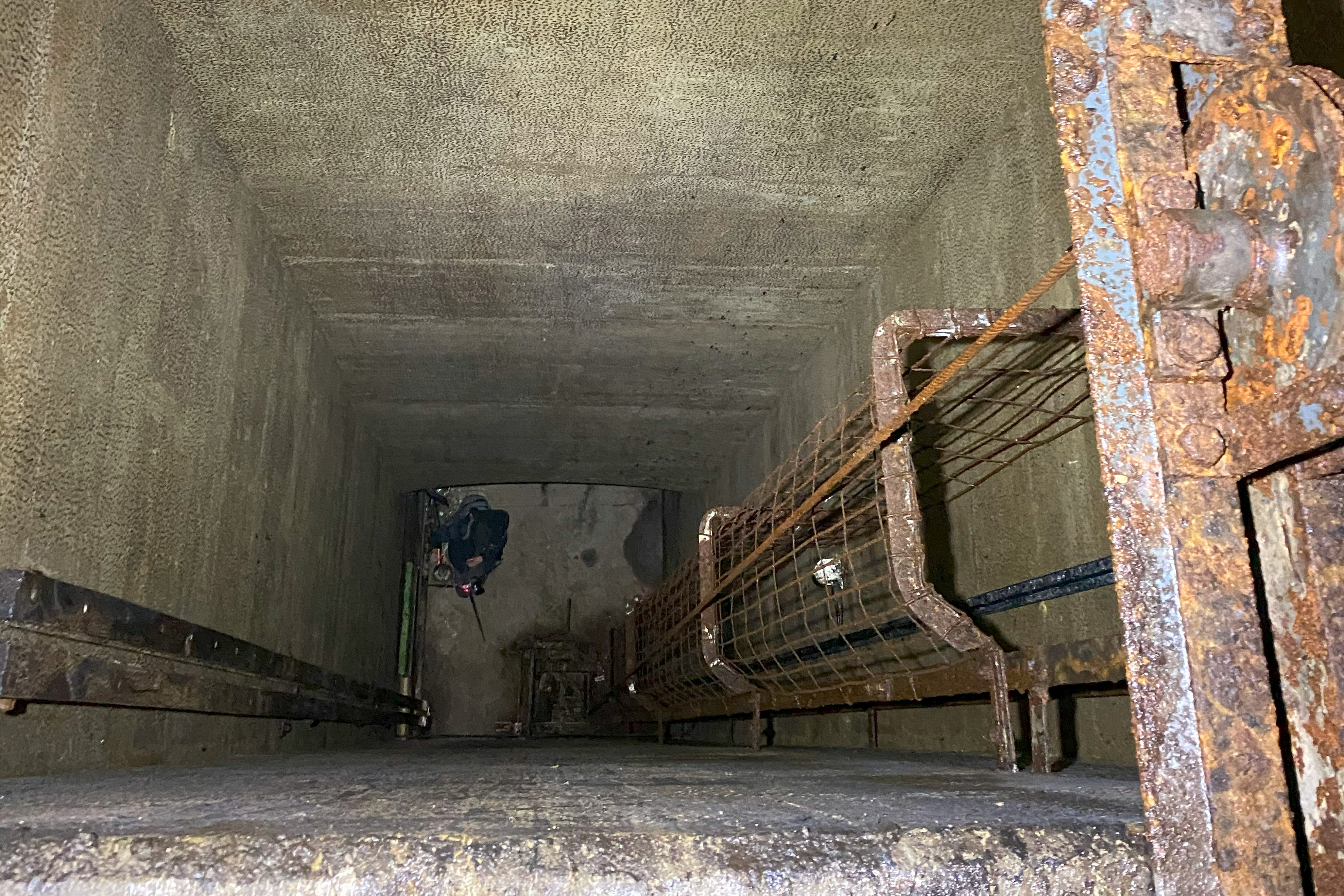
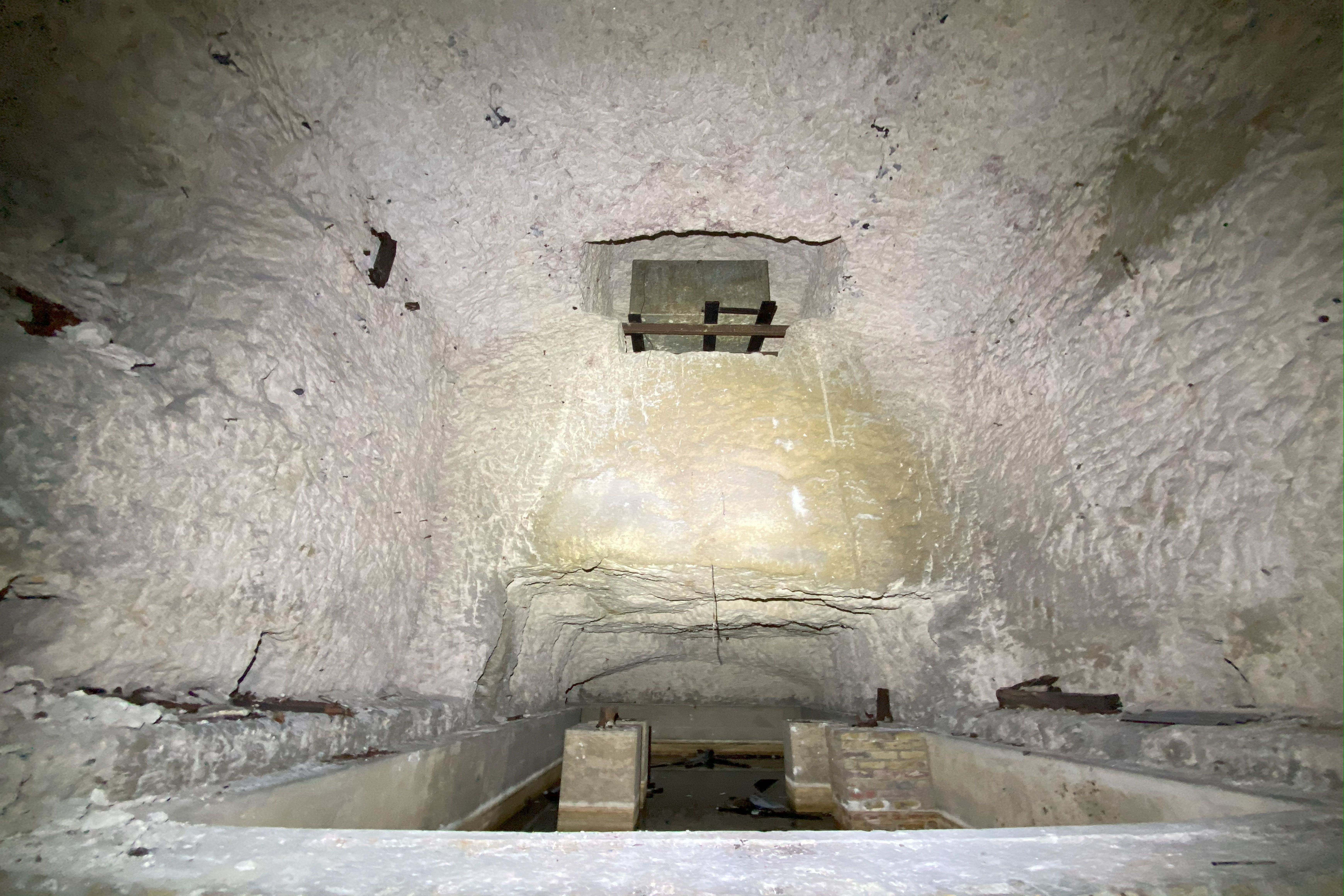
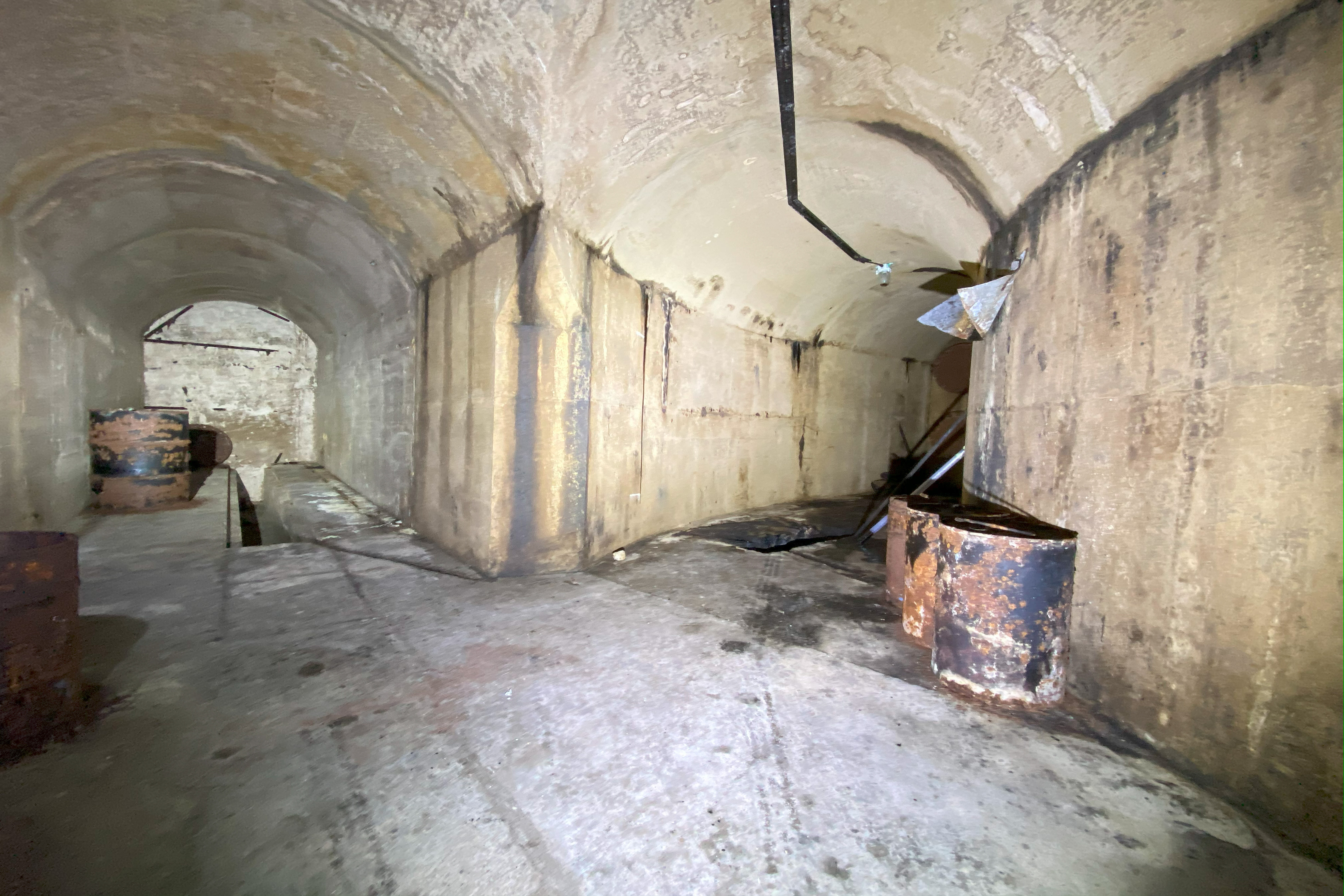
These tanks were monumental in size – each measuring 180 meters in length, 10 meters in width, and standing over 12 meters tall. Their sheer scale allowed for a vast storage capacity of over 4 million gallons per tank. Four of the tanks were designated for furnace fuel oil, while the fifth was used for diesel.
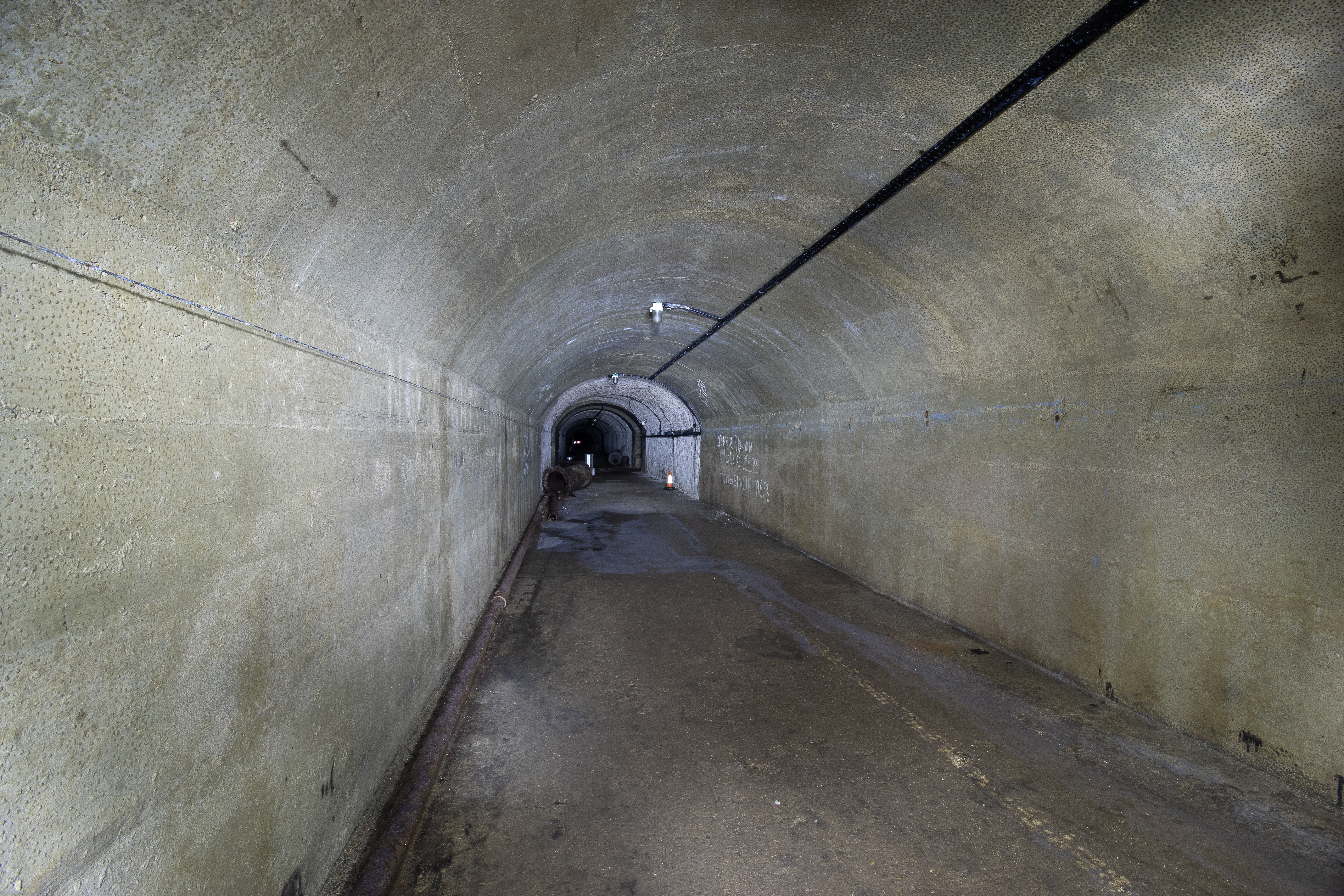
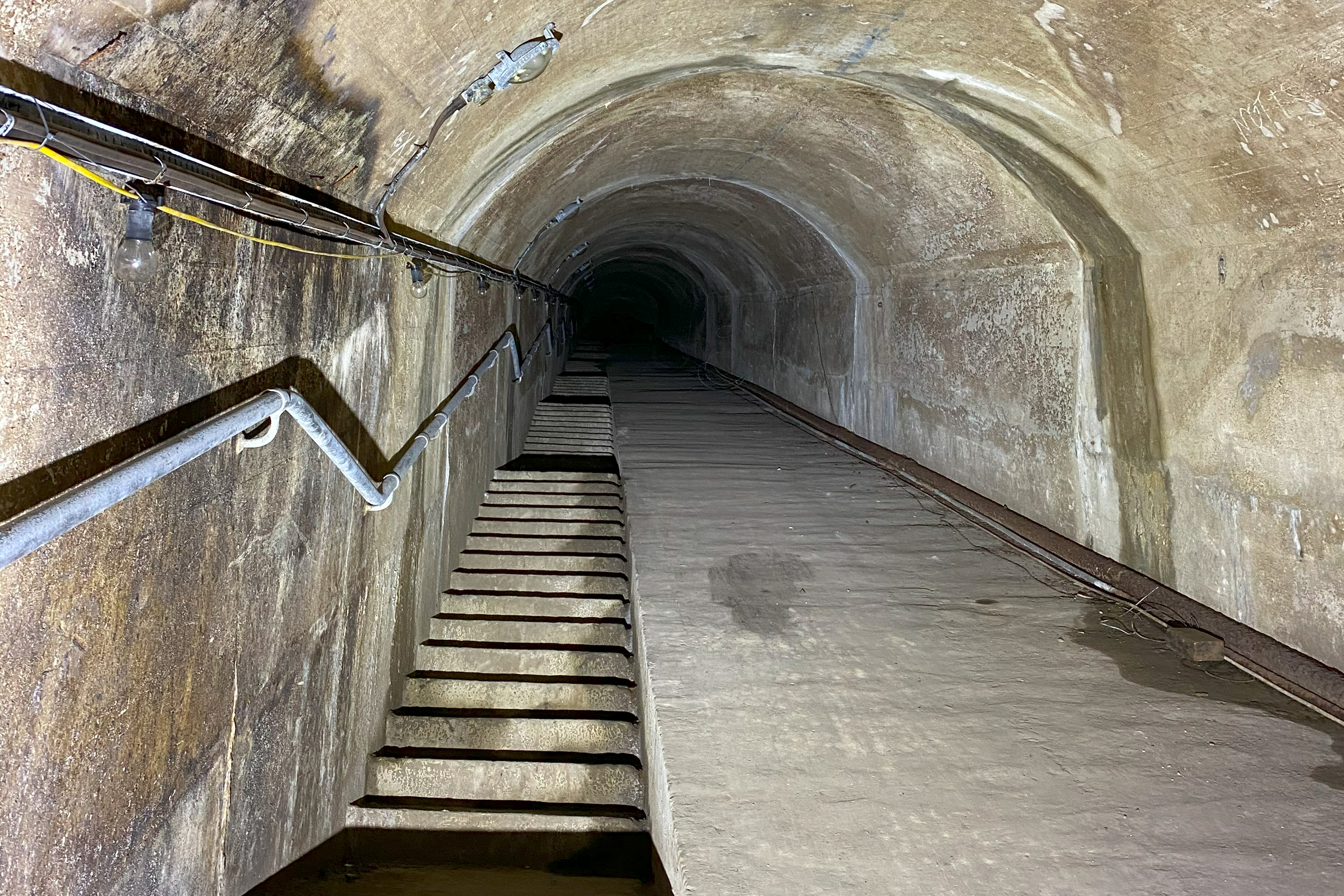
Anticipating the likelihood of power outages during wartime, the tanks were strategically built at a higher elevation than the Docks they served. This clever design relied on gravity to ensure the continuous flow of fuel, even in the event of a power cut. Access to the tanks was facilitated via two parallel tunnels, providing a secure means of maintenance and supply.
After the war, the tanks transitioned to commercial use, serving industry well into the 1960s, before being decommissioned.